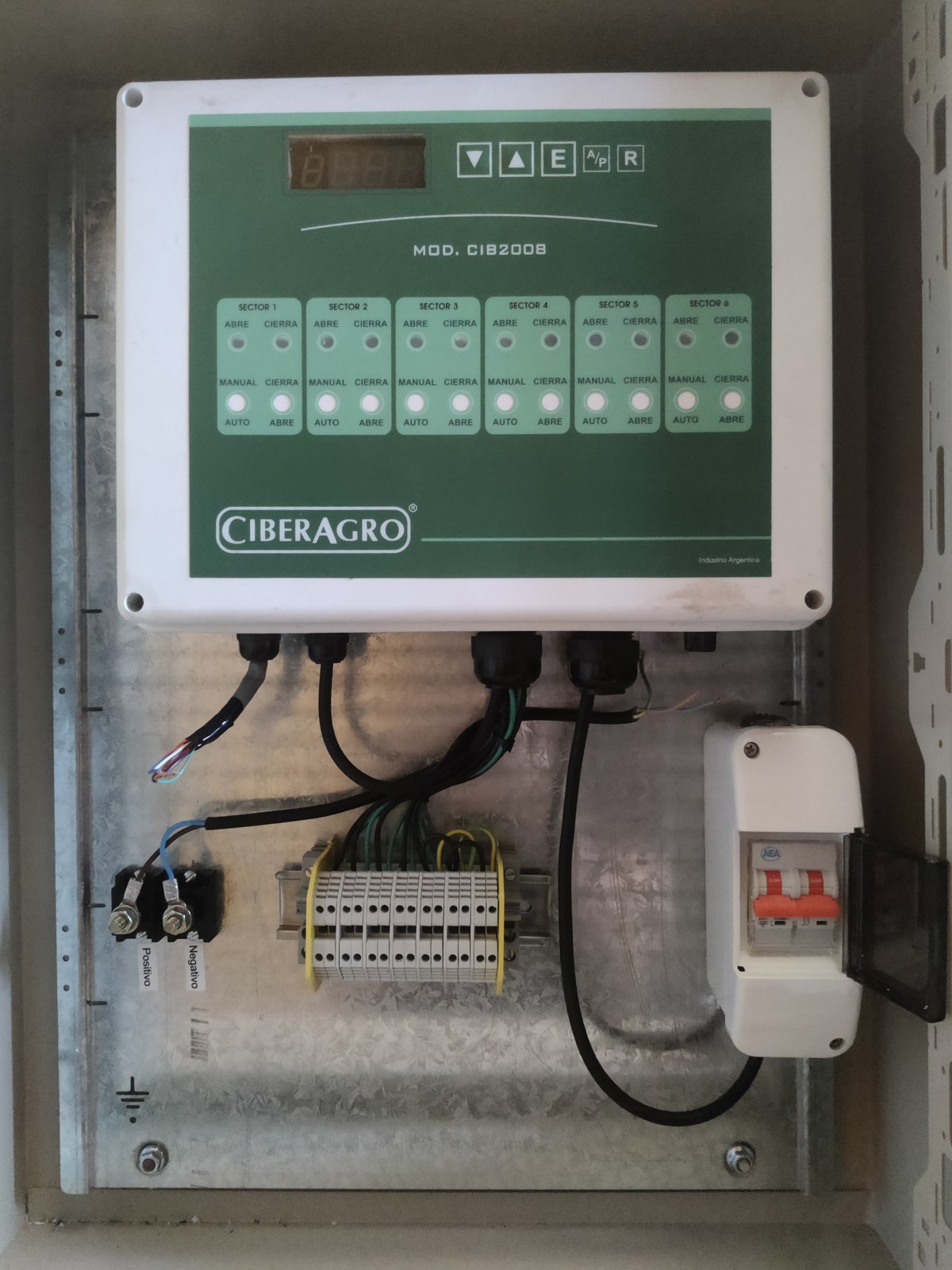
Measure the environment, crop and resources before deciding. We integrate sensors for air temperature and humidity, PAR radiation, soil conditions and water quality, together with an outdoor weather station. Sensor placement helps interpret differences and coordinate equipment using information from the facility.
Loading 3D view…
Better decisions. More value in every cycle.
How this equipment supports everyday crop management.
Decisions informed by crop conditions
Compare air, light, soil, water and outdoor weather to adapt management to each sector rather than relying on a general impression.
Less time with unnoticed deviations
Review readings and trends in the web platform or app to identify changes needing attention and guide field checks.
Better use of water and energy
Use readings to review when to irrigate, ventilate or heat. Gaia integration connects that information with project rules.
What we measure, where and why
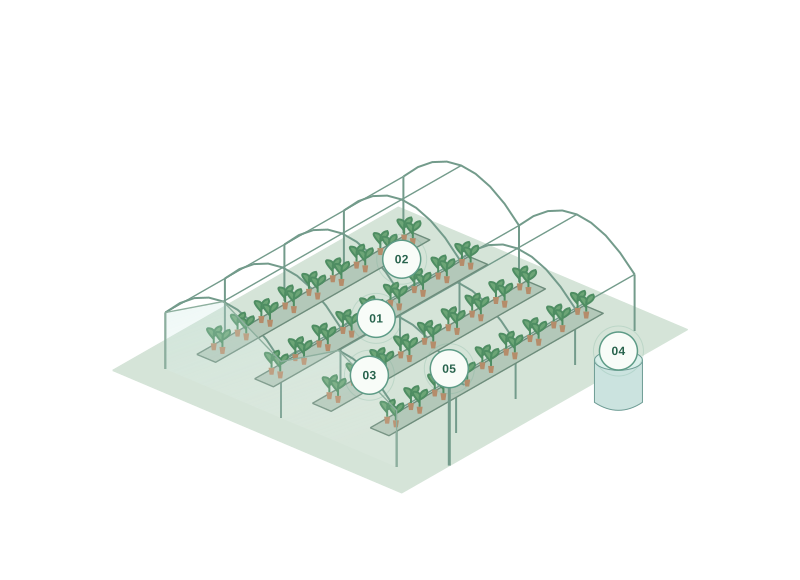
A reading becomes more useful when its location and context are clear. We distribute measurement points across the air, crop, soil, water and outdoor environment to distinguish what is changing and where intervention may be needed.
01Air temperature and humidity
Measuring at crop height reveals the environment around the plants. Temperature and humidity are interpreted together when reviewing air exchange, heating and periods of high humidity. Probe locations and shields are selected to limit the influence of direct sunlight, water and nearby heat sources.
02PAR radiation at crop level
Light reaching the roof is not always the light reaching the plant. PAR sensors measure photosynthetically active radiation at the crop and provide context for screens and supplemental lighting. Sensor placement and distributed measurements help identify areas with different exposure throughout the day.
03Soil and substrate conditions
Moisture, temperature, electrical conductivity and pH describe the root environment. Moisture readings support irrigation reviews; EC and pH track changes in the soil or substrate solution. Probe selection, contact with the material and calibration are defined for the installation.
04Water and irrigation-solution quality
Temperature, TDS, dissolved oxygen, turbidity, EC and pH can be measured in tanks, circuits or supply points according to project needs. Reading them together helps identify changes between incoming water and the solution reaching the crop. Sampling locations, cleaning and calibration are agreed as part of the design.
05Outdoor weather as context
A weather station provides temperature, humidity, wind and rainfall to interpret indoor conditions. Comparing outside and inside helps review ventilation strategies and changing weather before adjusting management. The mast must represent the surroundings and avoid obstacles that distort readings.
Your data on the web platform and app
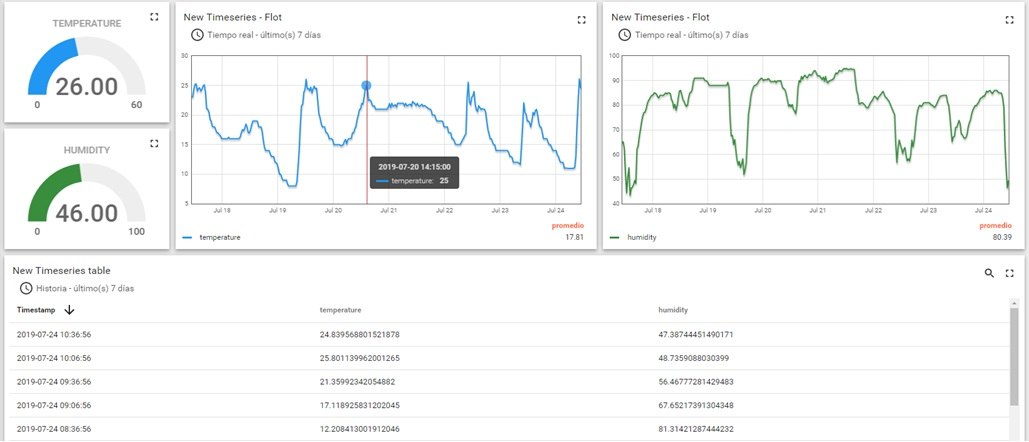
The web platform provides access to measurements and their evolution by zone and variable. The app brings the same information into daily work: checking conditions, looking up a reading and comparing it with observations at the crop. Connectivity, permissions and available functions are agreed within the installation scope.
Monitoring integrated with Gaia
Sensors are the starting point, not the whole decision. Integration with Sinthesis Gaia connects readings with crop context and management rules. Where automation is included, data can coordinate ventilation, irrigation, heating, screens and lighting through installed controllers.
A measurement network that can be maintained
Before installation we establish the questions monitoring must answer: the number of zones, relevant variables and actions to take from the data. Power, communication, probe checks and maintenance responsibilities follow. The system is designed around daily operation and can expand as project needs develop.
Want to turn readings into automatic actions?
Connect sensors, rules and equipment to move from records to a verifiable management response.
Automatic functions depend on the sensors, actuators and configuration of each project.
Explore integrated control with Gaia ↗Let’s bring your greenhouse project forward.
Tell us what you grow, where your facility is and what you want to improve. Let’s define the equipment and next step together.
Frequently asked questions
Which variables can be measured?
Air, PAR radiation, soil, water and outdoor weather. Each point requires suitable probes and placement.
How many sensors do I need?
It depends on sectors, area, uniformity and the decisions you need to make. Representative points avoid relying on one reading.
Can I check readings on my phone?
The web platform and app provide readings according to connectivity, permissions and enabled project features.
Does monitoring imply automation?
Not necessarily. You can start with readings and later connect data to Gaia and controllers for automatic actions.
Do sensors need calibration?
Yes, depending on probe type and manufacturer. The plan covers cleaning, calibration and checks, especially for soil and water.