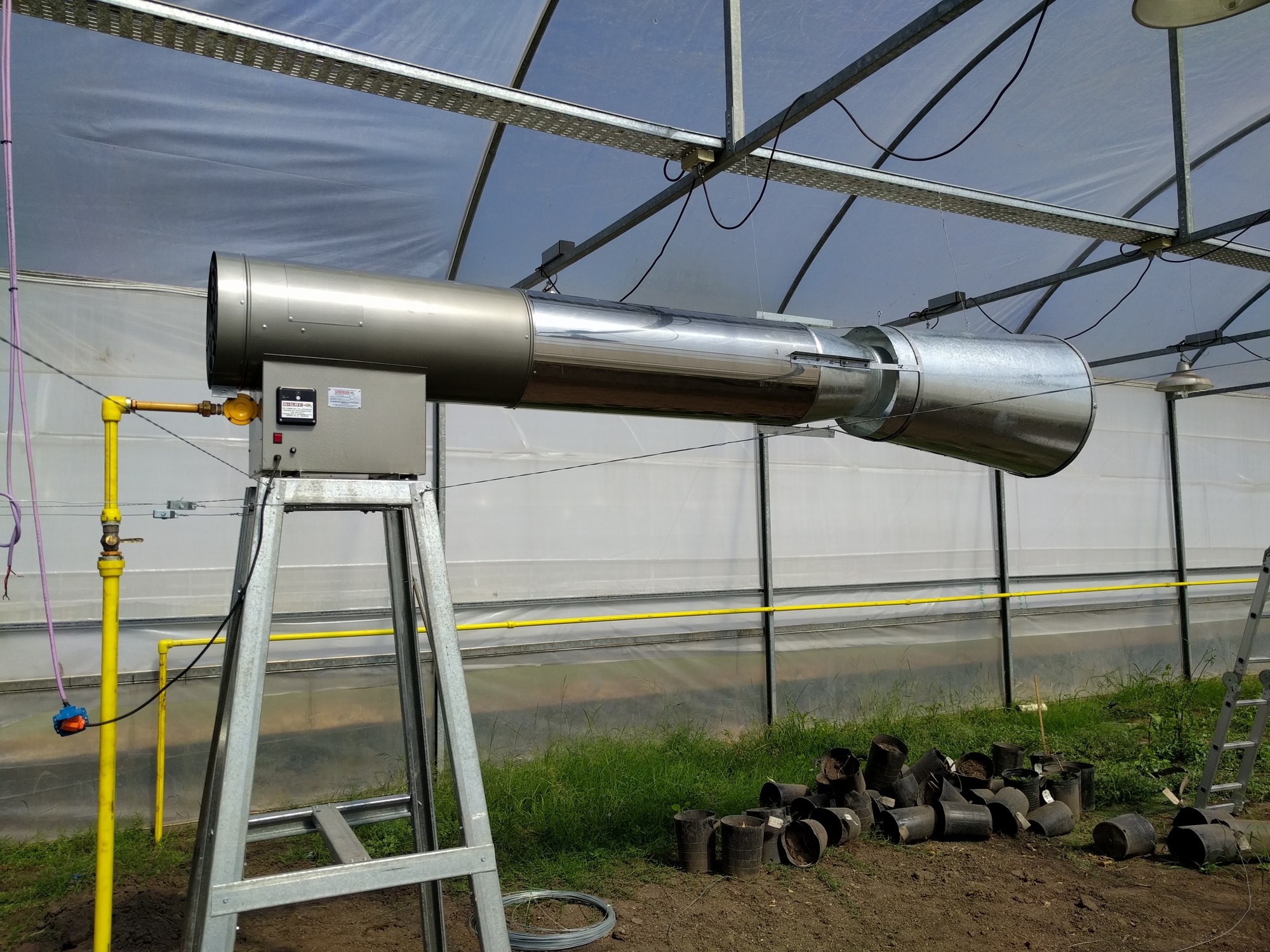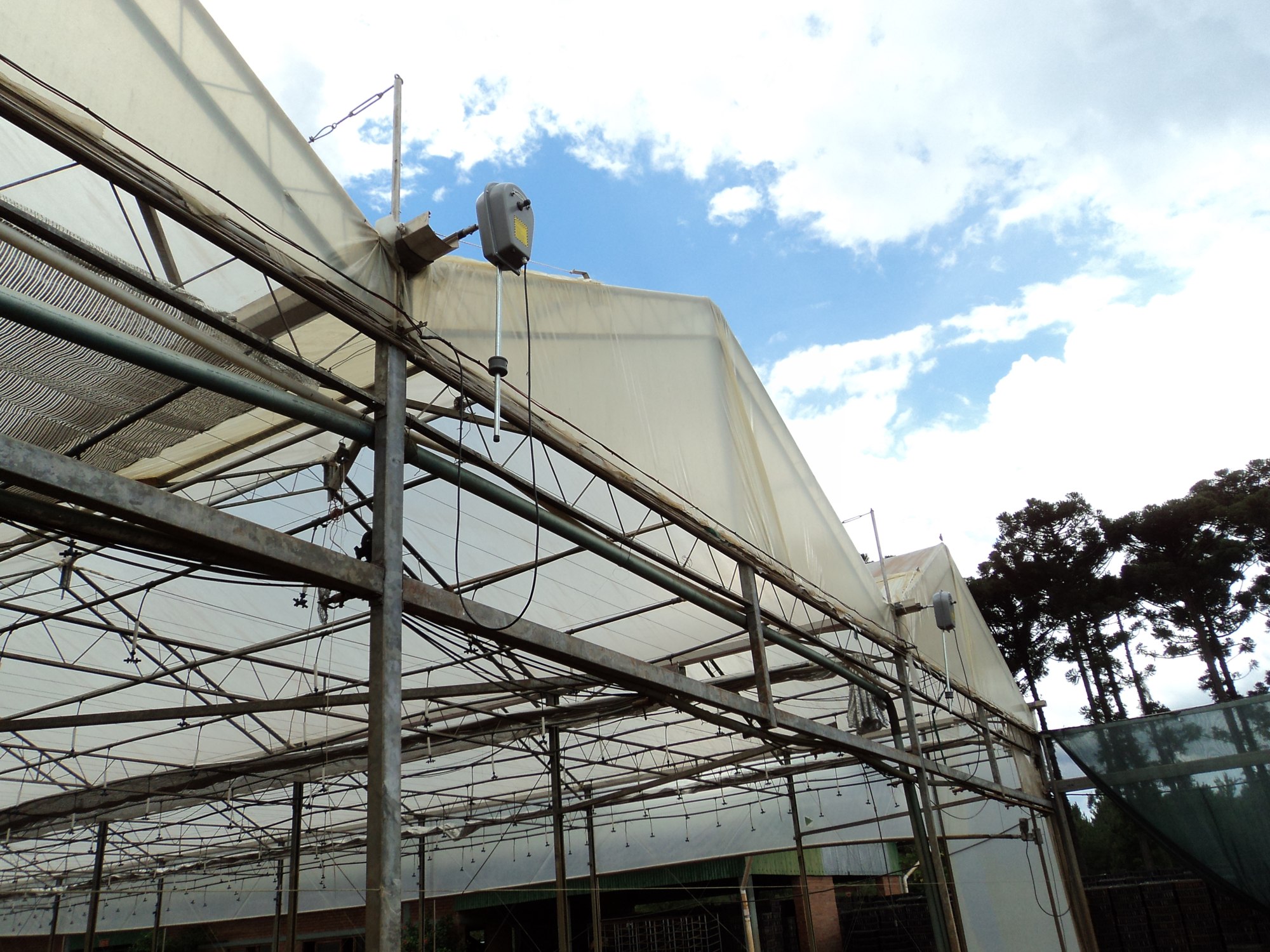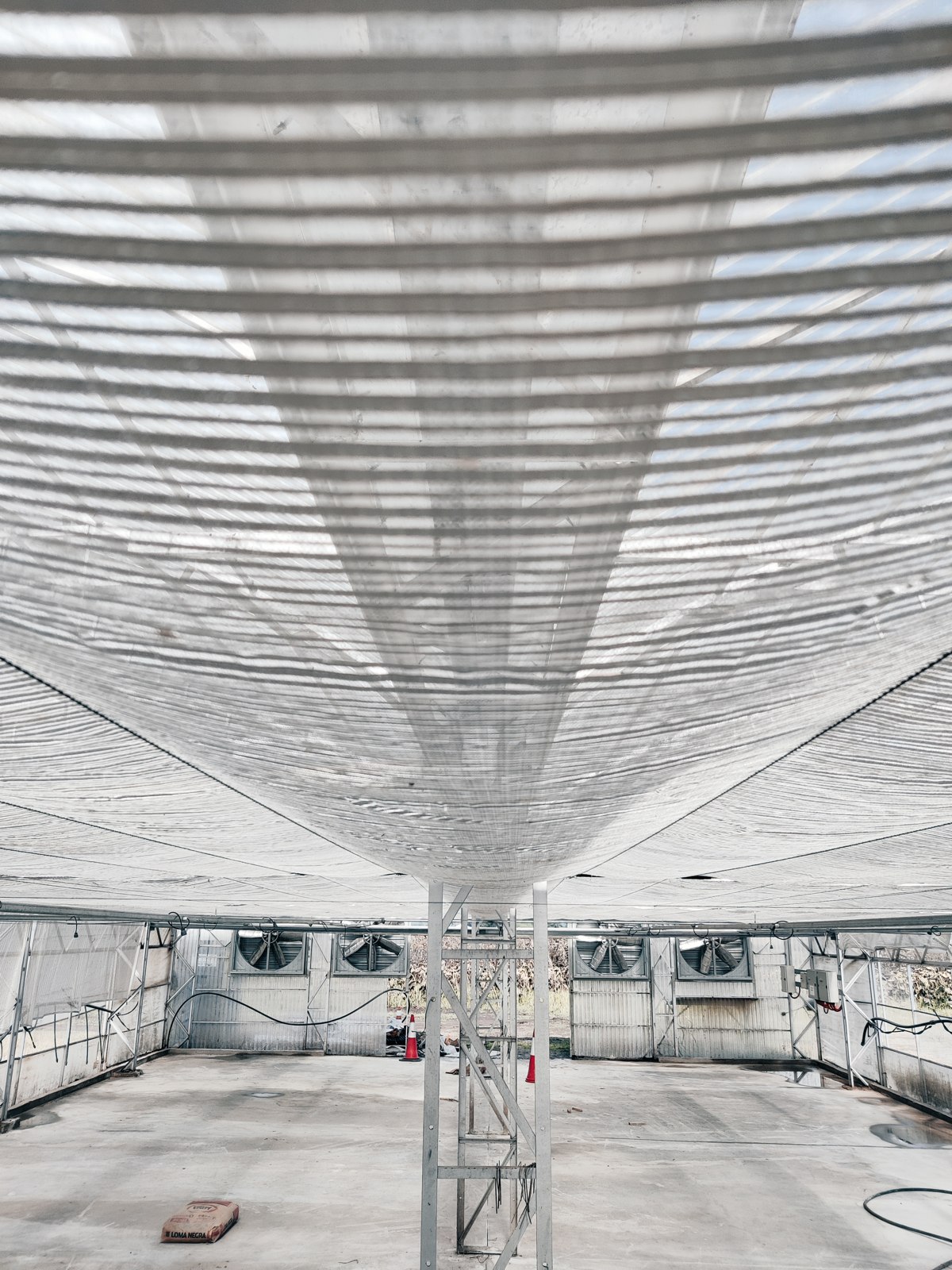
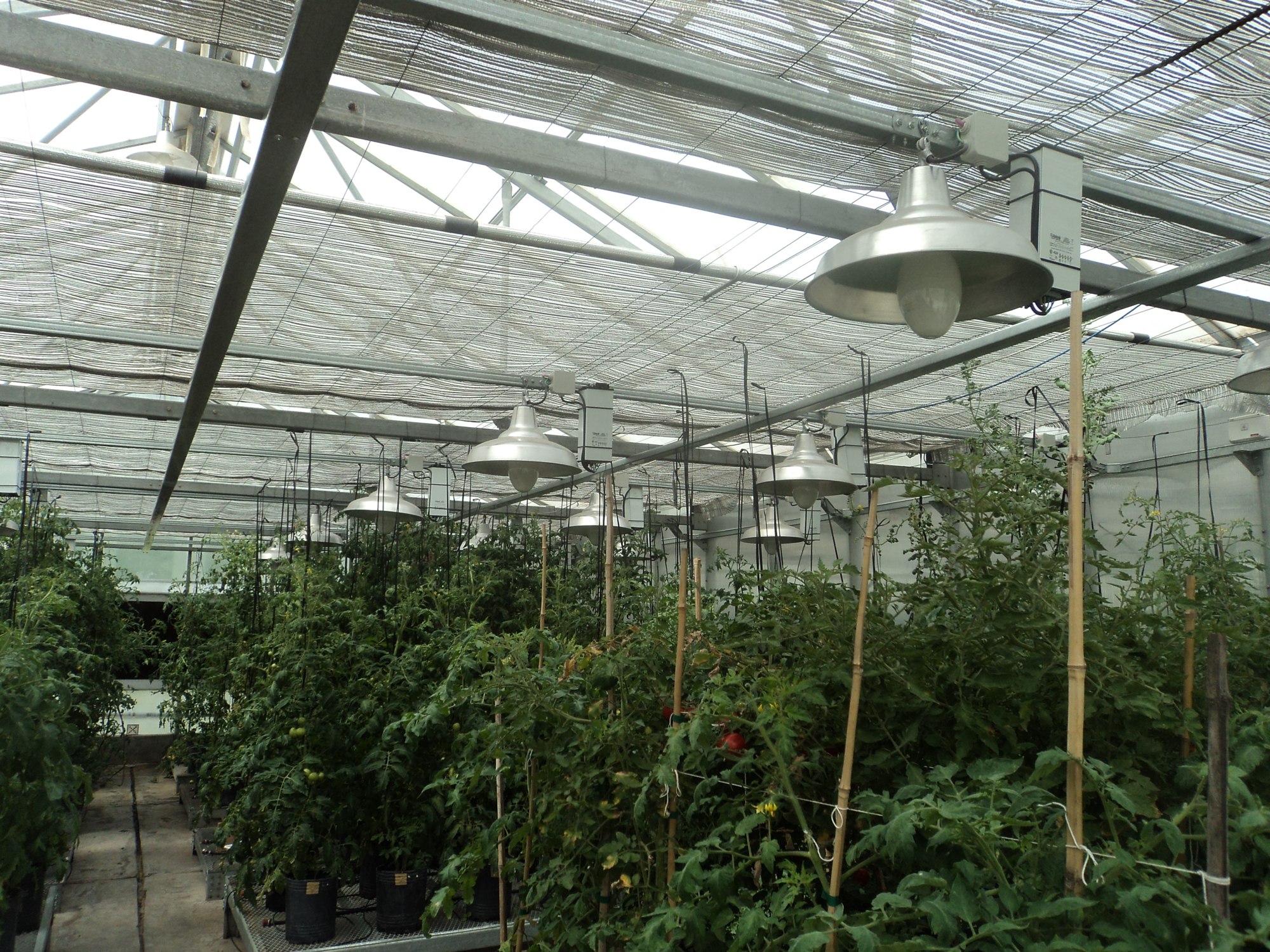
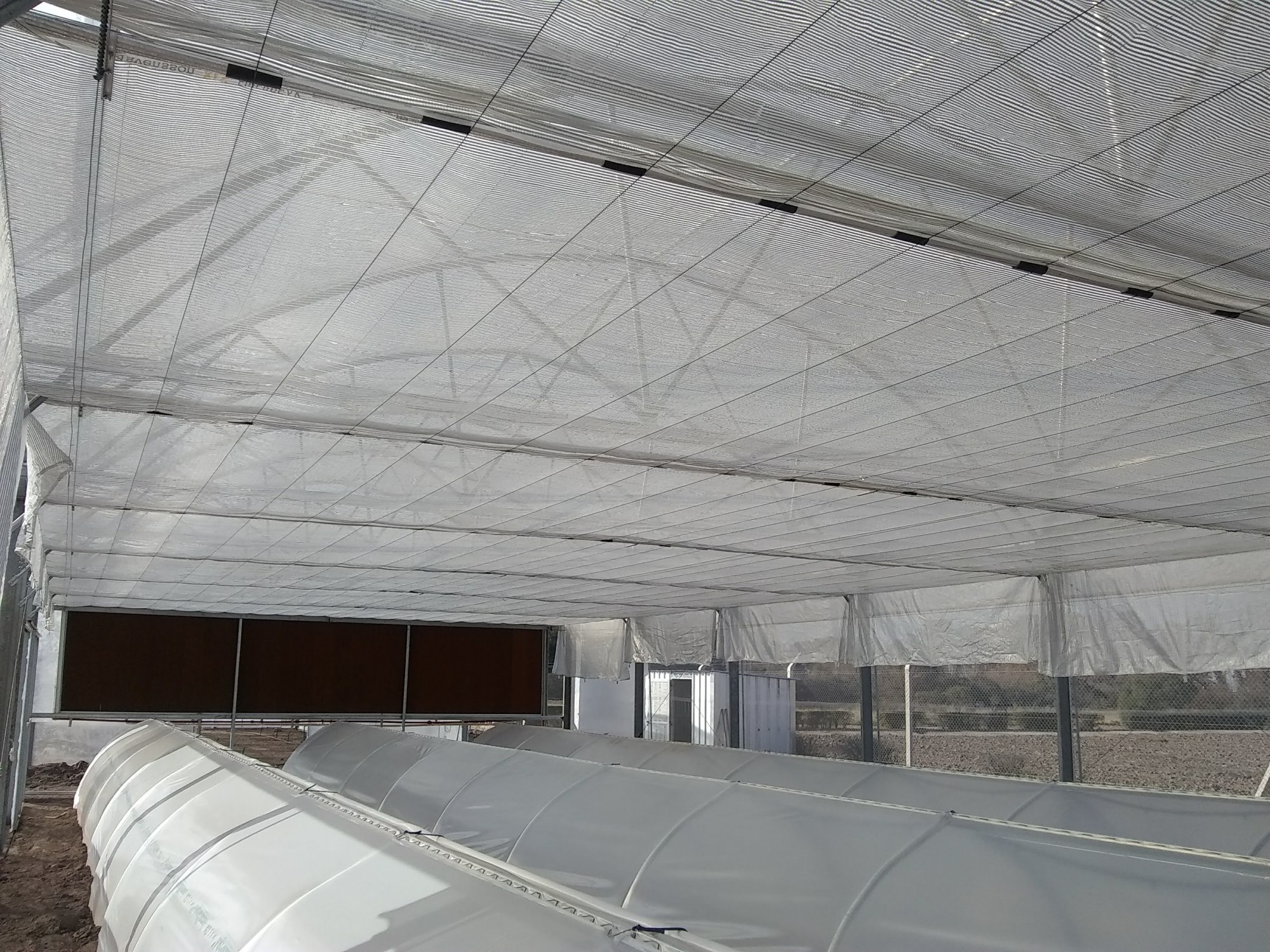
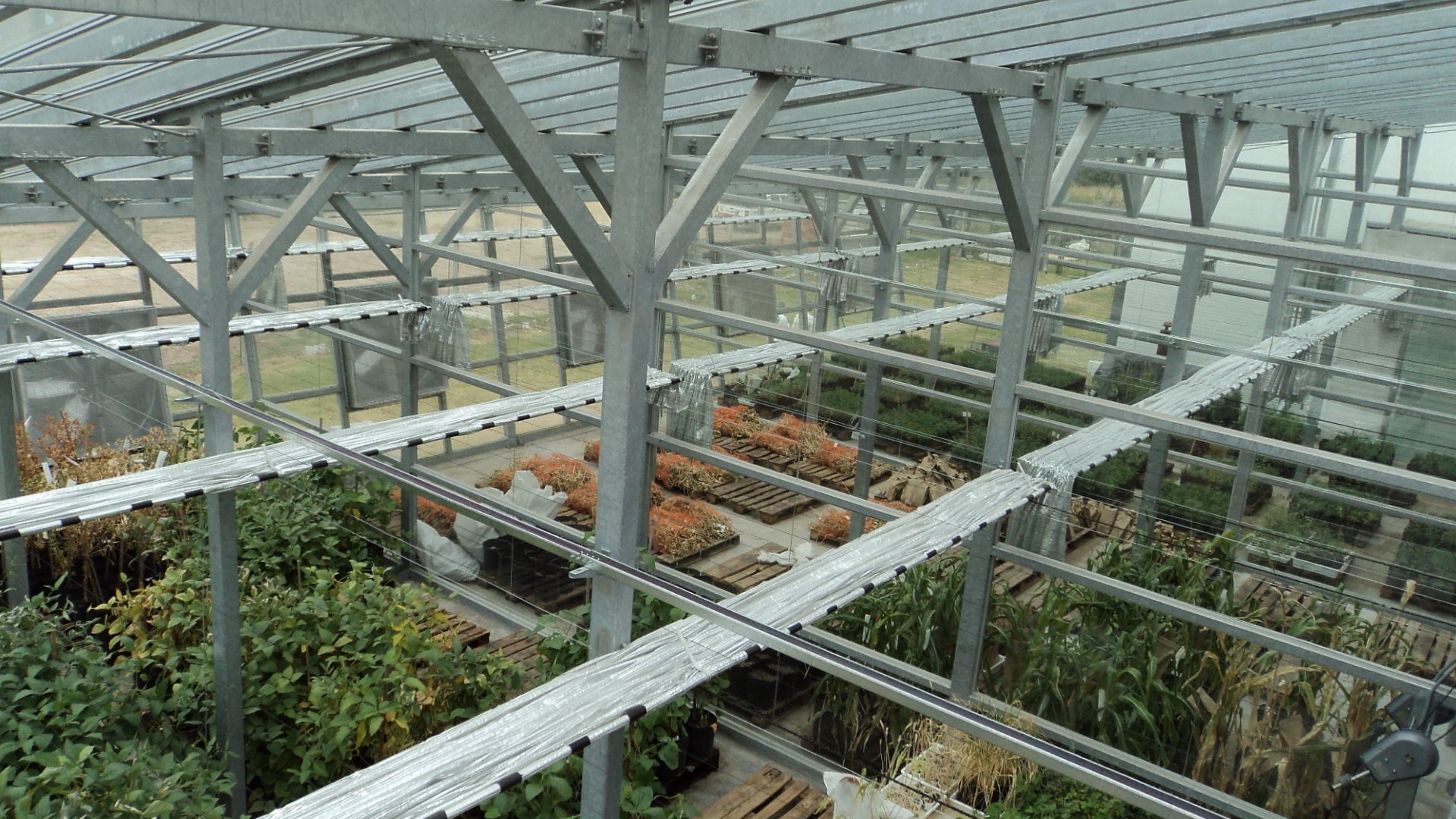
A screen creates an adjustable barrier between the crop and the roof. Under strong radiation it helps limit heat load; as temperatures fall, closing it can reduce heat loss. Fabric and operation are selected together with ventilation, humidity and crop light requirements.
Loading 3D view…
Better decisions. More value in every cycle.
How this equipment supports everyday crop management.
Lower heating demand
A deployed screen at night limits heat loss through the roof and helps retain energy already supplied.
A more stable environment
Moderate radiation during periods of high solar load to reduce crop exposure to excessive heat.
Better balance of light and protection
Choose fabric and schedules for the crop to provide protection while preserving the light needed for production.
An adjustable barrier below the roof
An aluminized screen changes the exchange between the crop and the upper greenhouse. Under strong radiation it helps limit the load reaching plants. When temperatures fall, closing it contributes to reduced heat loss. Behaviour depends on fabric, installation and operation.
Select fabric together with light and humidity needs
Screens address different requirements. Shading level, light transmission and exchange characteristics are selected for the crop, climate and covering. Installation height, joints and fabric movement are reviewed alongside ventilation, lighting and air circulation.
Management changes with time and season
Opening and closing do not depend on one temperature alone. Radiation, indoor and outdoor conditions and crop objectives guide operation. The system can be manual or coordinated with installed controls; settings must also consider humidity and time of day.
Want your thermal screen to respond to climate automatically?
Define opening and closing rules that consider temperature, light and humidity, coordinated with other equipment.
Automatic functions depend on the sensors, actuators and configuration of each project.
Explore integrated control with Gaia ↗Let’s bring your greenhouse project forward.
Tell us what you grow, where your facility is and what you want to improve. Let’s define the equipment and next step together.
Frequently asked questions
Does a thermal screen help in summer and winter?
It can moderate daytime radiation and limit night heat loss. Performance depends on fabric and operation.
How much energy can it save?
There is no universal percentage. Climate, covering, fabric, schedules and heating demand are assessed for the project.
Does it reduce available light?
Yes, to a degree depending on the fabric. Selection must balance thermal protection and useful crop radiation.
Can opening be automatic?
Motors and control by radiation, temperature or schedules can automate operation alongside ventilation and heating.
Can it be retrofitted?
Geometry, supports, retraction space and structural capacity are reviewed before defining a retrofit.